
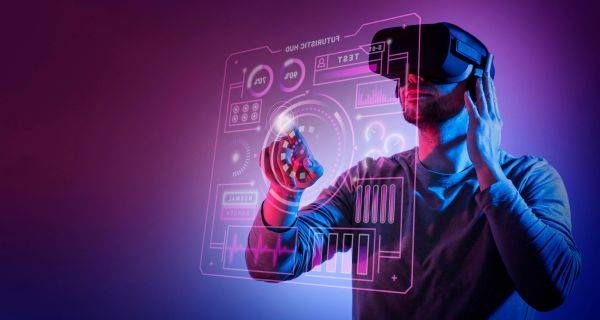
For the last forty years, our relationship with technology has been defined by rectangles the TV, the laptop, and the smartphone. But in 2026, we are witnessing the unboxing of the digital world. Spatial Computing is no longer a futuristic concept from science fiction, it is the new primary interface for how we work, learn, and play.
Unlike Virtual Reality (VR), which cuts you off from the world, Spatial Computing (often called Mixed Reality) overlays digital information onto your physical environment. Whether it’s through sleek AR glasses or high-end headsets like the latest Apple Vision and Meta Quest models, the monitor is now wherever you look.
The Professional Pivot: From Desks to Environments
In the workplace, Spatial Computing is solving the Zoom fatigue crisis of the early 2020s. Instead of staring at a 2D grid of faces, remote teams are meeting in shared spatial rooms. You can see your colleague's avatar standing next to a 3D model of the engine you’re designing, and you can both reach out and manipulate the parts in real-time.
Beyond office work, the impact on frontline industries is even more profound:
Precision Healthcare: Surgeons are using spatial overlays to see a patient’s MRI data projected directly onto their body during an operation, acting as a form of X-ray vision.
Industrial Maintenance: A technician at a remote wind farm can wear AR glasses that highlight exactly which bolt needs tightening, with floating arrows and step-by-step instructions appearing in their field of view.
Retail and Design: Interior designers can place digital furniture in a client's empty living room with millimeter precision, allowing for a try before you buy experience that was impossible with 2D photos.
The Challenge, Interaction and Ethics
As we move into this era, the industry is grappling with new challenges. How do we design interfaces that don't require a mouse or keyboard? The answer in 2026 is a mix of eye-tracking, gesture control, and neural interfaces. However, this also raises massive privacy concerns. If your glasses are constantly scanning your environment, how do we protect the privacy of the people you walk past? 2026 is the year we must establish the Spatial Bill of Rights.